You have 0 items in your cart

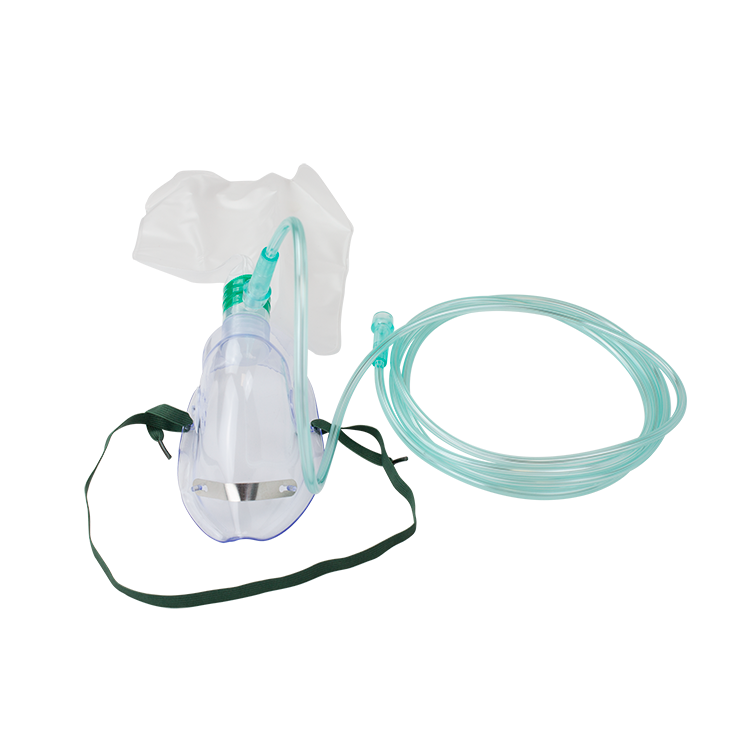
A non-rebreather mask is a face mask with an attached reservoir bag and one-way valves, used with an oxygen tank. A prescription is required. Call (310) 829-1777.
A non-rebreather mask is an oxygen mask that covers the nose and mouth. It has three parts:
Tubing connects the bag to an oxygen tank.
Oxygen from the tank fills the reservoir bag. When you breathe in, oxygen moves from the bag into the mask. When you breathe out, the valves send exhaled air out the side of the mask, so it does not go back into the bag.
Your prescription sets the flow rate. According to Cleveland Clinic, a non-rebreather mask typically runs at about 12 to 15 liters of oxygen per minute.
The main difference between these masks is the reservoir bag and the valves.
| Mask | Reservoir bag | Valves | How it handles exhaled air |
|---|---|---|---|
| Non-rebreather | Yes | One-way valves | Sent out the sides of the mask, not into the bag |
| Partial rebreather | Yes | No one-way valve to the bag | Some goes back into the bag |
| Venturi | No | Color-coded adapter | Mixes room air at a set ratio |
| Simple mask | No | None | Exits through holes in the mask |
Your doctor decides which mask you need.
Oxygen for cluster headaches is usually prescribed with a non-rebreather mask. See our cluster headache oxygen kit [link: kit URL PENDING] or read cluster headache vs. migraine.
Wishing Well Medical sells non-rebreather masks at our West Los Angeles showroom, 12420 Santa Monica Blvd. A prescription is required. We accept cash, card, and Apple Pay. Call (310) 829-1777 before you visit.